September 18, 2026
Transmission maintenance is an important part of keeping a vehicle running smoothly and avoiding costly mechanical problems. The transmission transfers power from the engine to the wheels, allowing the vehicle to accelerate, shift gears, and maintain speed. When this system begins to wear down, drivers may notice changes in performance that become more serious over time. Regular inspections and timely maintenance can help identify concerns before they develop into major repairs. Providers of exceptional transmission repair services can help vehicle owners make informed decisions about maintenance and protect their investment.
Understanding the Importance of Transmission Maintenance
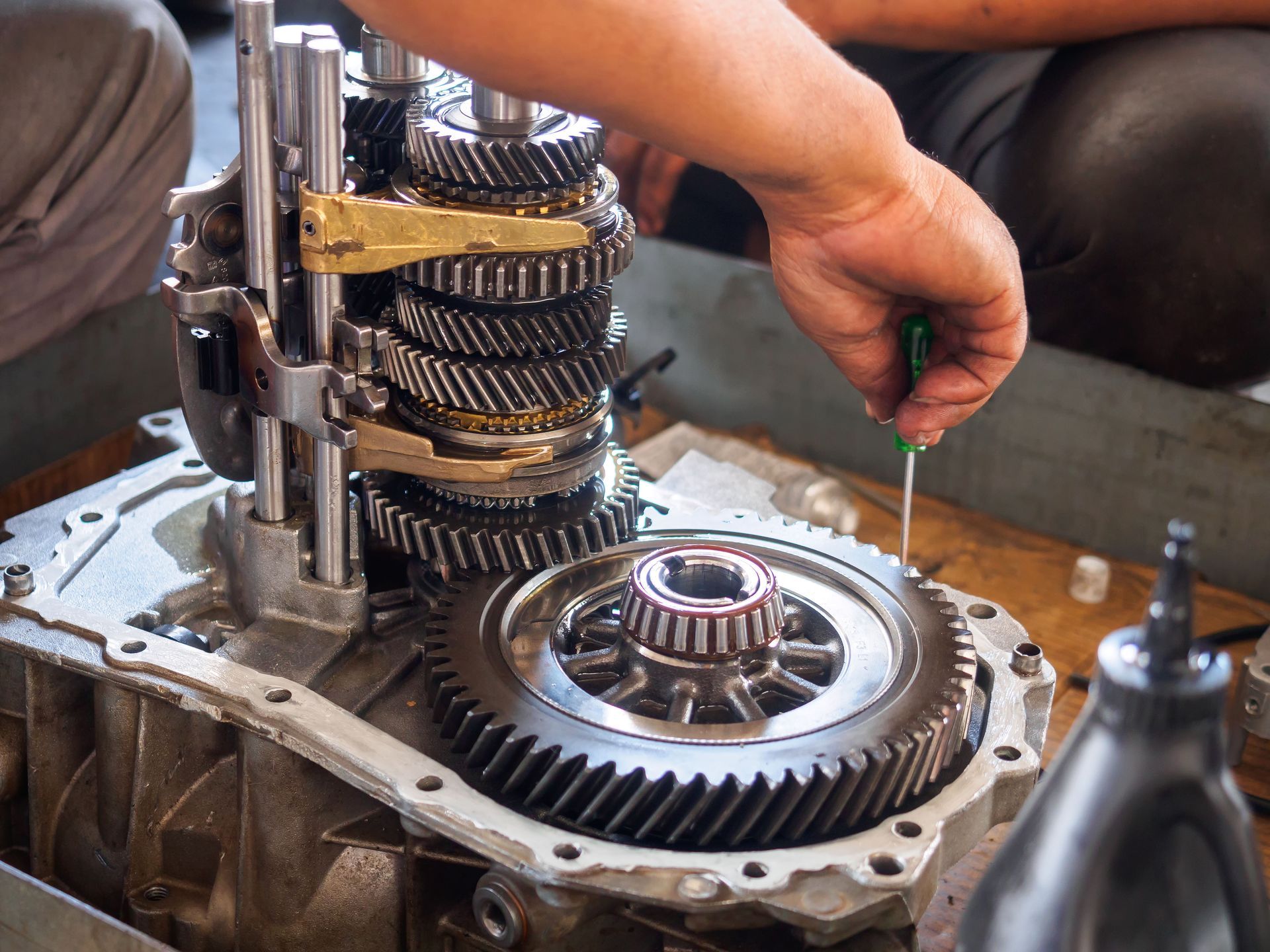
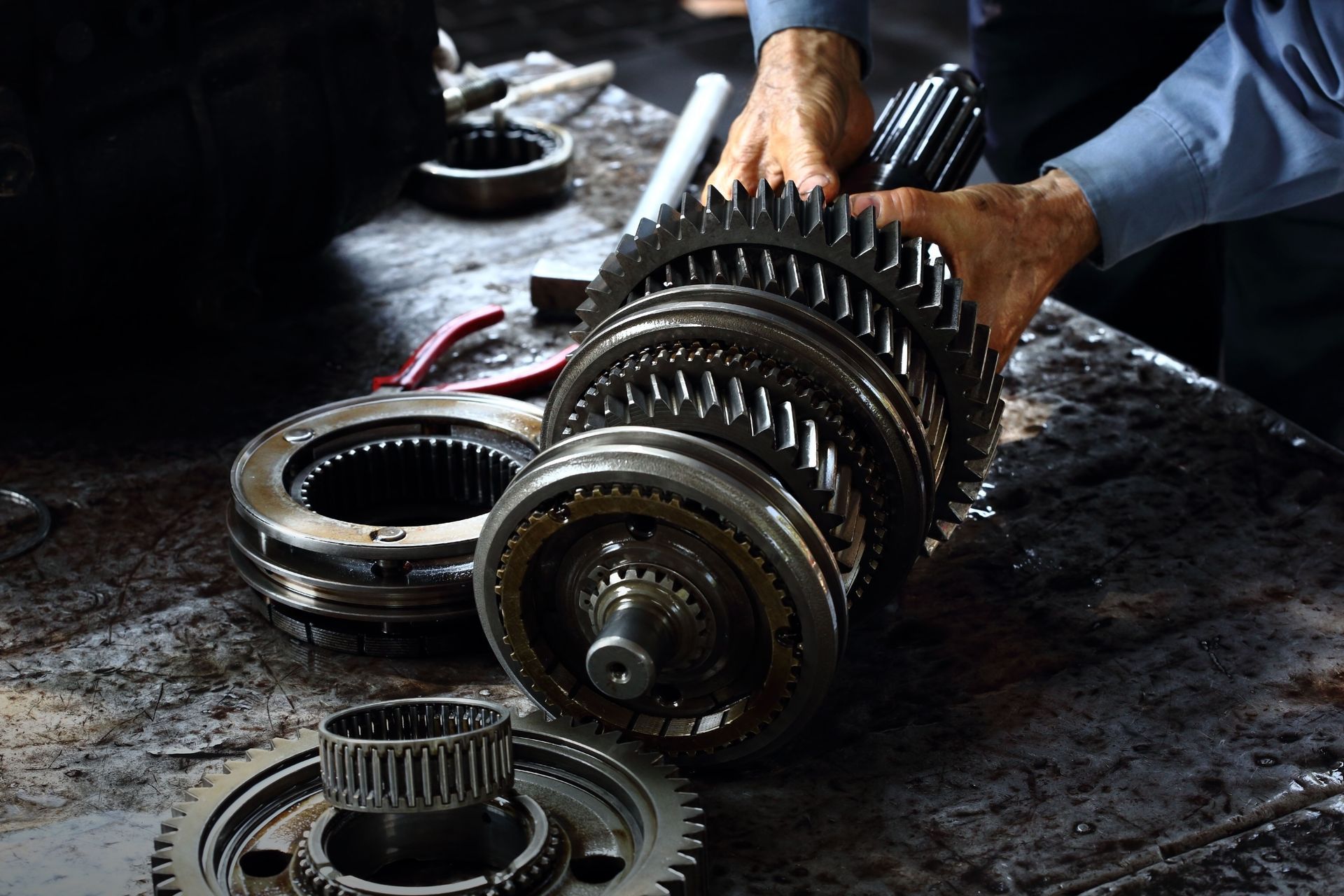
The transmission contains numerous components that work together to transfer power from the engine to the wheels. These components include gears, bearings, seals, and other parts that must operate properly for smooth performance. Over time, normal driving can cause wear that affects how the transmission functions. Regular maintenance allows technicians to inspect the system and identify signs of developing problems. Fluid condition, shifting performance, and unusual noises can provide useful information about transmission health. Addressing minor concerns early may help prevent additional damage to internal components. Maintenance also gives vehicle owners an opportunity to discuss recommended service intervals with a qualified technician. With consistent attention, drivers can support reliable operation and reduce the likelihood of unexpected transmission problems.
Recognizing Early Signs of Transmission Trouble
Changes in shifting performance are among the most common signs that a transmission may need attention. A vehicle that hesitates before moving or struggles to shift gears should not be ignored. Drivers may also notice slipping, which occurs when the transmission fails to maintain the intended gear. Unusual grinding, whining, or clunking sounds can indicate a problem with internal components. Fluid leaks underneath the vehicle may suggest an issue with seals, gaskets, or other transmission parts. A burning smell can also signal overheating or fluid-related concerns. These symptoms do not always identify a specific failure, so a professional inspection is important. Seeking transmission repair services when warning signs appear can help determine the cause before the problem becomes more extensive.
Maintaining Proper Transmission Fluid Levels
Transmission fluid plays an important role in lubricating moving components and helping manage operating temperatures. It also supports hydraulic functions that allow many automatic transmissions to shift gears. When fluid levels are too low, internal parts may experience additional friction and heat. Contaminated or deteriorated fluid can also affect shifting performance and component protection. According to 360 Research Reports, passenger vehicles account for approximately 58.1% of overall transmission repair activity because many remain on the road through extended ownership cycles. This highlights the importance of maintaining transmission systems as vehicles continue to accumulate mileage. Vehicle owners should follow the manufacturer's recommendations for checking fluid levels and service intervals. A technician can determine whether fluid maintenance is appropriate for the vehicle and identify any leaks that require attention.
Preventing Damage From Overheating
Excessive heat is a common concern for transmission systems because many internal components operate under demanding conditions. Towing, hauling, stop-and-go traffic, and extended driving can increase the workload placed on the transmission. When heat builds up beyond normal operating conditions, fluid and internal parts may deteriorate more quickly. Overheating can affect seals, clutch materials, and other components within the transmission. Drivers may notice delayed shifting, unusual odors, or changes in performance when the system is under stress. Regular maintenance can help identify cooling concerns and other conditions that contribute to excessive heat. A technician can inspect relevant components and recommend appropriate service based on the vehicle's needs. Taking action before overheating causes significant damage may help reduce the risk of expensive transmission repairs.
Protecting Internal Transmission Components
A transmission depends on many small parts working together with precise timing and alignment. Gears must engage properly, bearings must support moving parts, and seals must help contain fluid. Wear in one component can place additional stress on other parts of the system. A small leak, for example, may eventually reduce fluid levels enough to affect internal operation. Damaged gears or worn clutch materials can also cause shifting problems that worsen with continued driving. Routine inspections can help identify visible leaks and other signs of wear before they lead to broader concerns. Professional transmission repair services can address problems based on the condition of the affected components. Maintaining these parts can help support smoother operation and reduce the chance of a major transmission failure.
Following Recommended Service Intervals
Vehicle manufacturers provide maintenance recommendations based on the design and operating requirements of each transmission. These recommendations may include fluid inspections, fluid replacement, filter service, or other procedures. Not every transmission requires the same type of maintenance, so vehicle owners should consult the owner's manual. Driving conditions can also affect how frequently certain services are needed. Vehicles used for towing or frequent short trips may experience different demands than those driven primarily on open roads. Keeping a record of completed maintenance can help owners stay aware of upcoming service needs. A qualified technician can review the vehicle's mileage and maintenance history to help determine what service is appropriate. Following a consistent maintenance schedule can help reduce the risk of neglected transmission problems.
Understanding the Cost of Delayed Repairs
Small transmission problems can become more complicated when they remain unaddressed. A minor fluid leak may eventually cause low fluid levels and increase wear on internal components. Continuing to drive with slipping gears can also place additional stress on the transmission. As damage spreads, repairs may require more labor and replacement parts. In some cases, a severely damaged transmission may need rebuilding or replacement instead of a smaller repair. The total cost depends on the vehicle, the source of the problem, and the extent of the damage. Early diagnosis does not guarantee that a major repair can be avoided, but it can help identify the available options sooner. Drivers who arrange transmission repair services at the first sign of trouble may have a better opportunity to address the issue before it becomes more extensive.
Adapting Maintenance to Driving Conditions
Driving habits can influence the amount of stress placed on a transmission over time. Frequent towing, heavy loads, and repeated stop-and-go driving can create demanding operating conditions. Steep hills and extended periods of low-speed driving may also increase the workload on the system. Vehicles used in these conditions may require closer attention to manufacturer-recommended maintenance. Drivers should use the correct gear settings when towing or traveling through challenging terrain. Avoiding unnecessary acceleration and allowing the vehicle to shift properly can also support smoother operation. A technician can help explain how the vehicle's intended use affects its maintenance needs. Understanding these factors allows owners to make more informed decisions about transmission care.
Choosing Professional Transmission Service
Transmission maintenance involves more than simply checking fluid levels or replacing a filter. A technician may need to inspect the system for leaks, evaluate shifting behavior, and identify potential internal problems. Diagnostic equipment can help locate electronic or control-related concerns that may not be visible during a basic inspection. Professional service can also help determine whether a problem involves the transmission itself or another vehicle component. Accurate diagnosis is important because similar symptoms can have different causes. Vehicle owners should choose a service provider with experience working on the type of transmission in their vehicle. Cottman Transmission and Total Auto Care offer transmission repair services for drivers seeking professional assistance with transmission concerns. Discussing symptoms and maintenance history with a technician can help guide the inspection process.
Transmission maintenance is a valuable part of responsible vehicle ownership because it helps drivers identify problems and understand the condition of an essential mechanical system. Regular fluid checks, recommended service, and timely inspections can support smooth operation and help address concerns before they become more serious. When unusual shifting, leaks, or other warning signs appear, professional attention can help determine the right next step. Cottman Transmission and Total Auto Care is available to assist drivers with transmission maintenance and repair needs. Contact us today to schedule an inspection and discuss the best way to keep your vehicle's transmission operating reliably.